
Occupancy rates in Egyptian hotels exceeded 90%: Tourism official
Egypt’s tourism sector is experiencing one of its strongest growth cycles in decades, with arrivals surpassing 18 million visitors and tourism revenues rising by approximately 20% during the first nine months of this year to reach US$13.6 billion. This momentum comes despite the continuous and accelerating influx of tourists, underscoring Egypt’s resilience and growing global appeal.
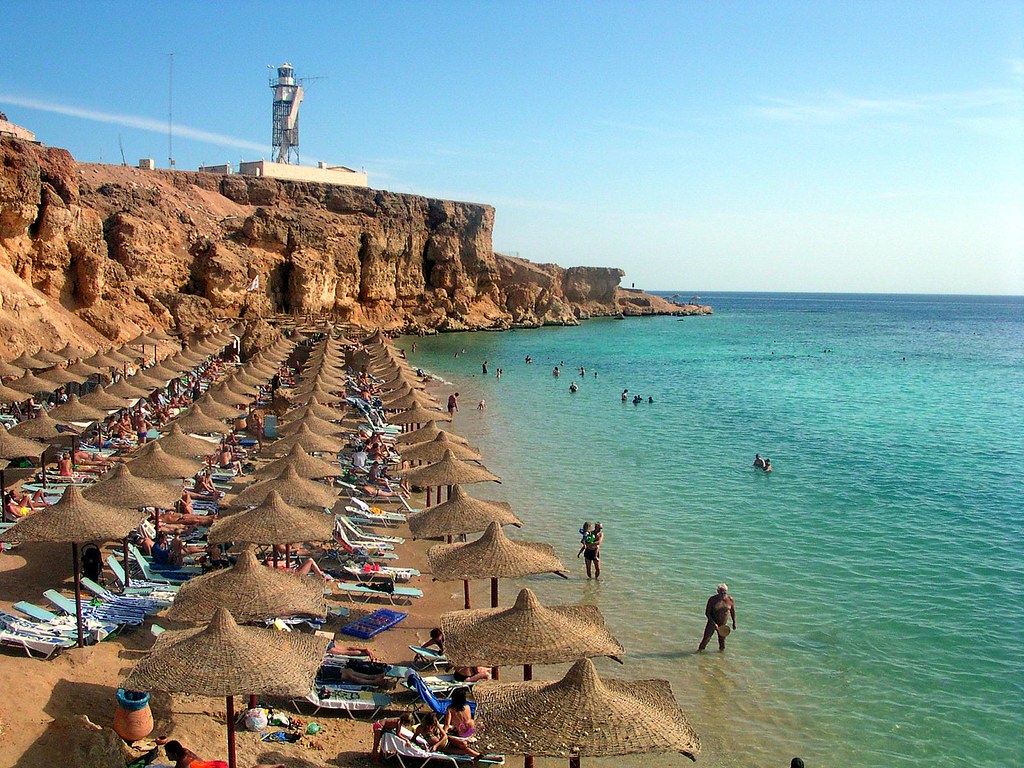
According to Hossam Al-Shaer, Head of the Egyptian Tourism Federation, hotel occupancy rates have exceeded 90% across the country’s leading coastal destinations—including Hurghada, Sharm El-Sheikh, and the North Coast—as well as cultural hubs such as Luxor and Aswan.
Shaer added that tourist arrivals are expected to increase by a further 20% next year, reaching almost 22 million visitors. He emphasized that coordinated efforts between the Ministry of Tourism and Antiquities, the Cabinet, and various governmental entities have been instrumental in navigating the current shortage of hotel rooms.
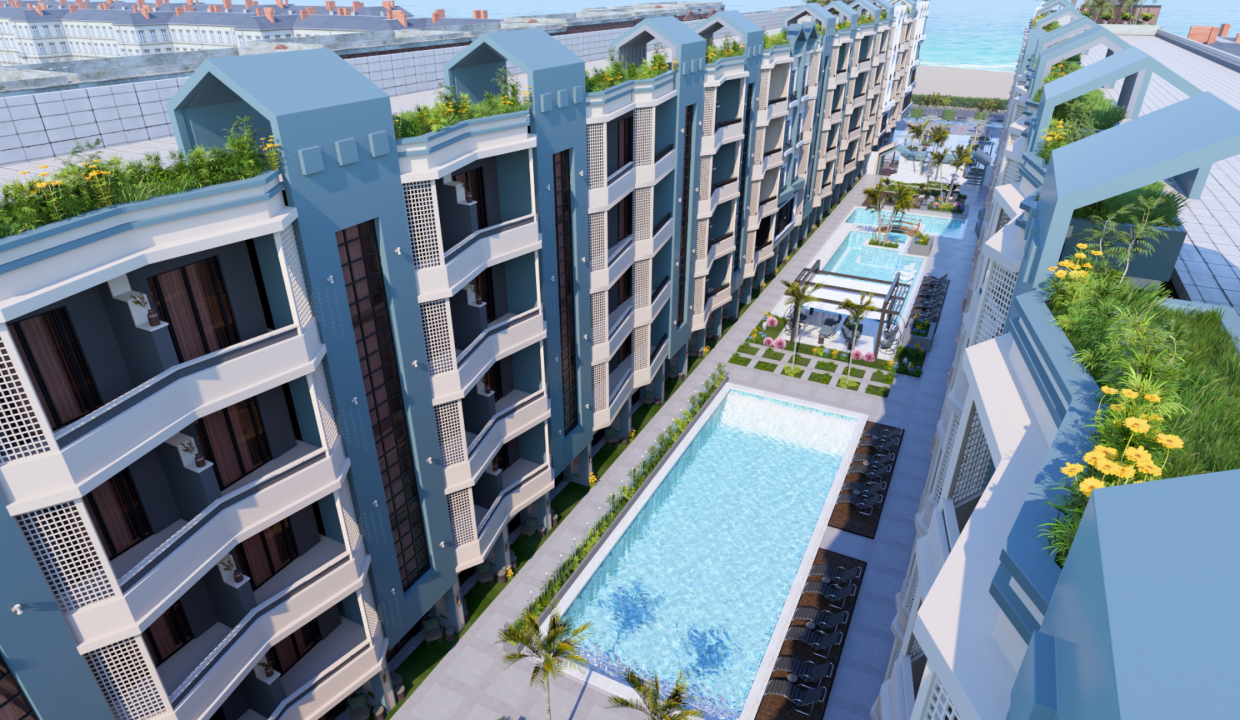
One of the most significant solutions introduced is the rollout of “holiday home apartments”—a newly developed accommodation category designed to alleviate pressure on hotel availability. This model includes three distinct formats, offering flexibility for both short-term visitors and long-stay tourists.
Tourism and hospitality expert Hisham Wahba noted that Egypt has set a clear long-term objective of attracting 30 million tourists annually. Achieving this ambitious target, he stressed, will depend not only on government initiatives but also on the active engagement and investment of the private sector.
Challenges and Strategic Priorities
Despite the sector’s impressive performance, several critical issues must be addressed to sustain and expand capacity:
- Accelerating the development of new hotel rooms in high-demand destinations.
- Upgrading existing facilities to align with global hospitality standards and evolving visitor expectations.
- Enhancing service quality and operational efficiency across all categories of accommodation.
Prime Minister Mostafa Madbouly previously highlighted that Egypt needs between 240,000 and 250,000 additional hotel rooms—bringing the national total to over 500,000—to effectively support the vision of hosting 30 million visitors.
To encourage rapid expansion, the government has introduced several investment-friendly initiatives, including subsidized interest rates for developers building or finishing new hotels. These measures aim to strengthen public-private collaboration and accelerate the growth of Egypt’s hospitality infrastructure.