Apartment: Rooftop vs Courtyard vs Indoor Lounge: Which Amenity Adds Real Value?
Apartment: Rooftop vs Courtyard vs Indoor Lounge: Which Amenity Adds Real Value?
If you’re comparing apartments (or underwriting a multifamily upgrade), amenities can feel like marketing fluff. Until you realize they change leasing velocity, renewals, and the price renters are willing to tolerate.
And as of January 2026, the data is clear on one point: renters are redefining “value” around wellness, connection, and cost-conscious choices, with social/entertainment spaces gaining momentum.
So… Rooftop vs Courtyard vs indoor lounge—what’s the real value leader? The honest answer: it depends on how value is measured.
The 20-second verdict
- Best “wow factor” + tour-closer: Rooftop (especially in urban/high-rise assets with views).
- Best daily-use + broad appeal: Courtyard (especially for pets, families, and work-from-home “fresh air” demand).
- Best year-round utility + flexible ROI: Indoor lounge (especially in colder climates or in smaller-unit buildings where residents “borrow space” outside their units).
Now let’s break it down like a Chief SEO Officer and an asset strategist: demand, willingness to pay, utilization, and operational reality.
What “real value” means (and how to measure it)
Real value isn’t “most expensive-looking.” It’s measurable in four ways:
- Rent premium potential (can you charge more or protect rents during softer demand?)
- Occupancy + lease-up speed (does it convert tours and reduce vacancy days?)
- Retention (does it keep residents renewing rather than shopping for comps?)
- Utilization (if residents don’t use it, it won’t show up in reviews—or renewals)
In a 2026 environment where high-end properties are actively looking for differentiating amenities (including rooftop gardens) to compete, the “right” amenity is the one that wins your renter segment and your local comp set.
1) Rooftop: the highest marketing lift (when it’s done right)
Why rooftop amenities can add real value
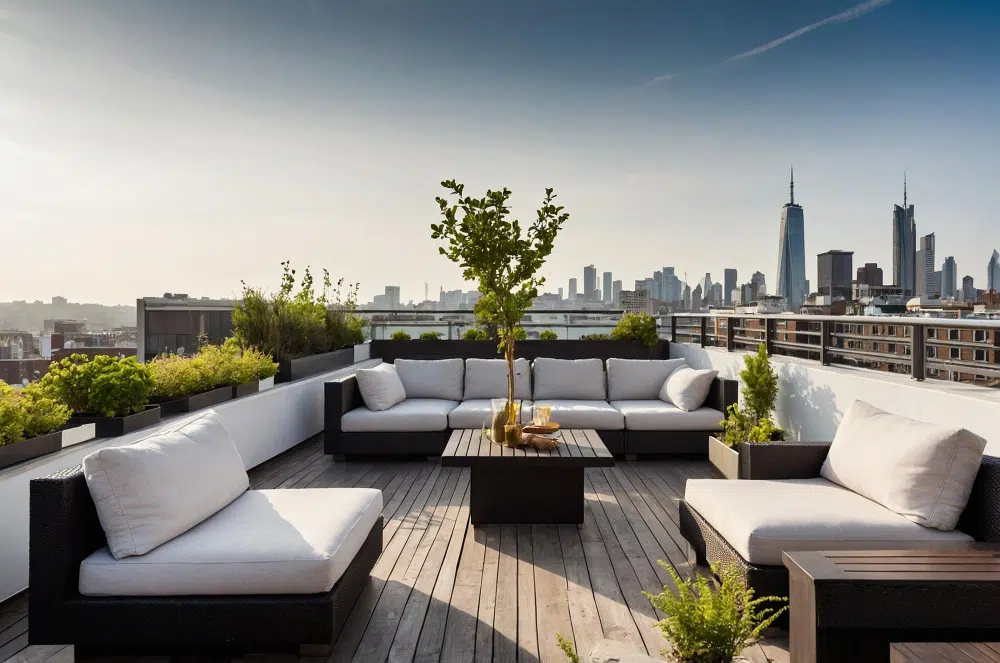
A rooftop amenity apartment setup (deck, lounge, grills, skyline seating, maybe a plunge pool) tends to win on:
- Perceived luxury and exclusivity
- Views + “destination” energy
- Tour conversion (it’s a memorable moment in the leasing journey)
The most compelling “proof point” is willingness-to-pay and “wo n’t-rent-without-it” behavior:
- In the NMHC/Grace Hill Renter Preferences Survey (2024), 58% of respondents said they’re interested in rooftop space or won’t rent without it (up from 56% in 2022), and respondents indicated they’d pay about $55.97 more per month for rooftop space.
And from an asset-side dataset, Greystar’s survey work has repeatedly categorized rooftop amenity space as a rent and occupancy driver with above-average expected rent premiums in its managed portfolio—particularly relevant in urban/gateway contexts.
Whenthe rooftop value is highest.
Rooftops perform best when you have at least one of these advantages:
- A real view (skyline, water, landmark, sunsets—not a mechanical penthouse and HVAC units)
- Urban/high-rise / dense neighborhoods where private outdoor space is scarce
- A target renter who buys lifestyle (young professionals, high-income roommates, social renters)
Rooftop value killers (the stuff marketing doesn’t mention)
Rooftops can absolutely underperform when:
- The space is windy, unshaded, or uncomfortable 9 months a year
- Hours/rules are restrictive (or residents must reserve everything)
- Noise complaints create “amenity friction.”
- Maintenance/waterproofing is deferred (a hidden long-term cost)
2) Courtyard: the most consistent “everyday value” amenity
Courtyards don’t always photograph like rooftops—but they often outperform on utilization.
Why courtyards add real value
Courtyards work because they solve an everyday renter problem: space and decompression.
Work-from-home and hybrid schedules increased the desire to step outside during the day, and outdoor spaces also support community connection—benefiting attraction and renewals.
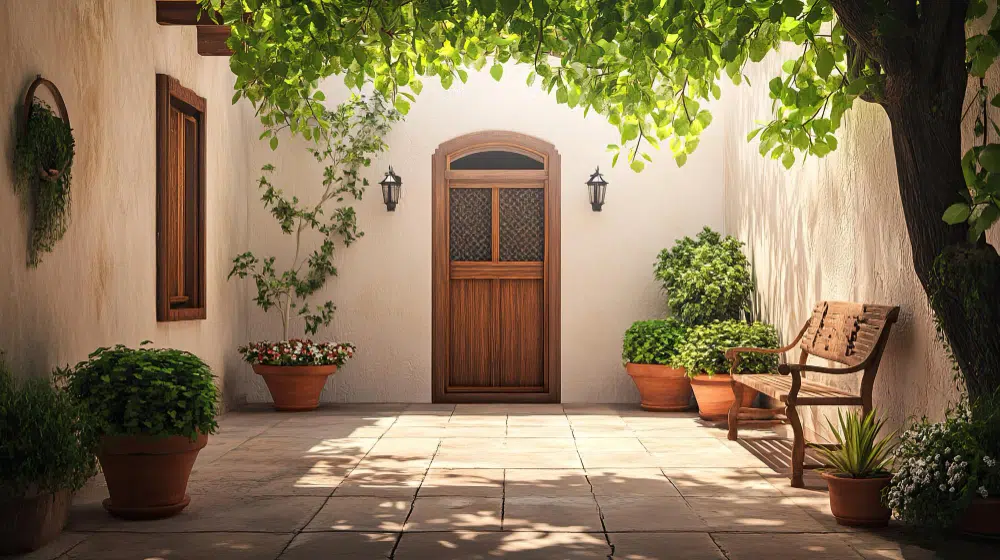
Courtyard-style value is especially strong when the Courtyard includes:
- Shade + comfortable seating (not just decorative landscaping)
- Grilling / outdoor dining
- Pet-friendly zones (or adjacency to a dog run)
- Quiet “WFH outdoors” pockets (Wi‑Fi + outlets = game-changer)
And regionally, renter preference research continues to show outdoor features and green space matter—especially in warmer markets where shaded outdoor space and outdoor amenities are prioritized.
The biggest courtyard advantage: “value per resident.”
Courtyards tend to be:
- More accessible than rooftops (no elevator ride, fewer “special occasion” dynamics)
- More family- and pet-friendly
- Easier to use casually (coffee outside, quick dog break, calls outdoors)
Courtyard risks
- Landscaping and irrigation maintenance costs can creep up
- Poor privacy planning can create “I don’t want to be watched” vibes
- Bad acoustics can turn it into an echo chamber
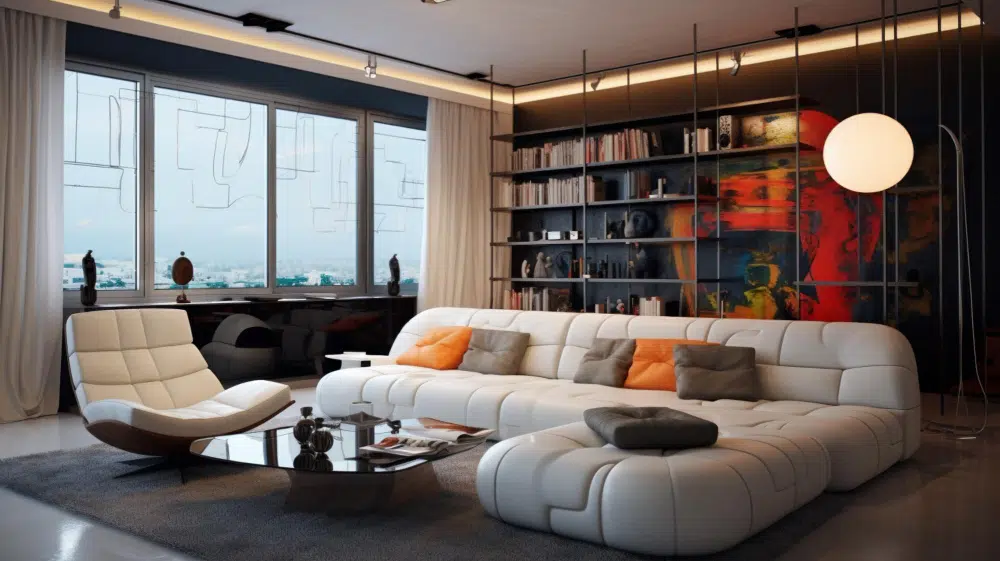
3) Indoor lounge: the most flexible, all-weather value play
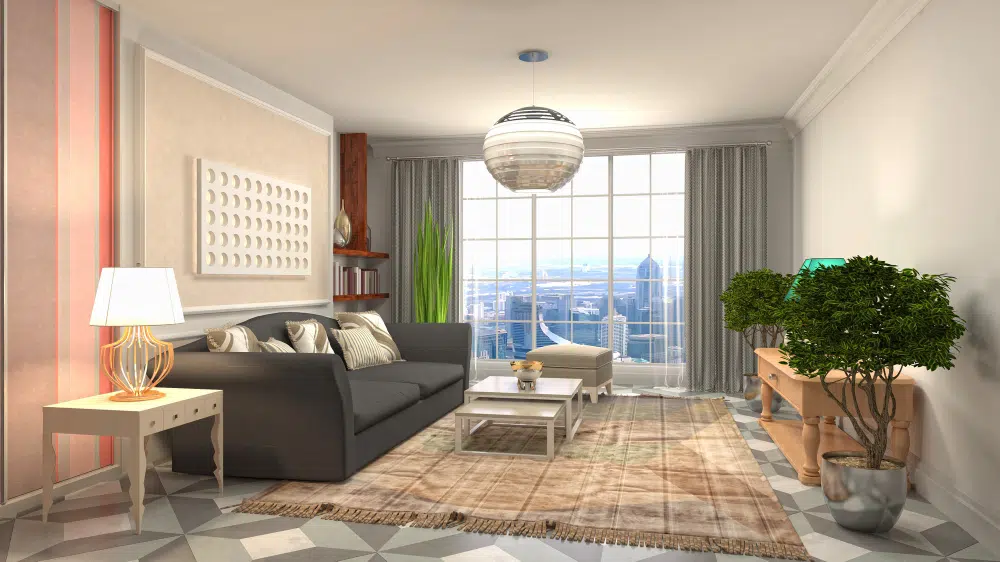
Indoor lounges (clubhouse, resident lounge, “lcoworking” lobby, coworking lounge) are your year-round utility amenity—especially important in markets with real winters or brutal summers.
Why indoor lounges add real value
Indoor lounges perform when they act as multi-use overflow space:
- Remote work
- Hosting friends without cramming into a small living room
- Quiet reading corners
- Community events (when programming is intentional)
And the 2026 trendline supports this: Greystar’s newest renter preference findings show that entertainment and social spaces like clubhouses and gaming rooms have posted some of the largest gains in interest—signaling renters want experiences and connection alongside the basics.
On the “work” side, renters are also increasingly specific about coworking, bookable spaces (privacy matters), and spaces in colder climates.
Indoor lounge value killers
- A single big room with a TV no one watches
- No power outlets / bad lighting
- No zoning (work + hangout + events all colliding)
- Policies that unintentionally discourage use (locked doors, odd hours)
Rooftop vs Courtyard vs Indoor Lounge: the practical scorecard
Here’s the simplest way to decide:
If you want the strongest leasing “hook.”
Choose Rooftop—but only if you have views and can make it comfortable + usable often.
If you want the broadest day-to-day usage
Choose Courtyard—especially in pet-heavy, family, or WFH renter mixes.
If you want the safest year-round ROI
Choose Indoor lounge—especially where climate limits outdoor use, or units are smaller, and residents need “third spaces.”
“If I can only build one…” my recommendation (2026 lens)
For renters searchingfor “rooftop amenity apartment.”
Pick the Rooftop if:
- You’ll use it weekly (not once a month)
- It has shade + seating + real comfort
- Rules/hours fit your schedule
Otherwise, you’re paying for a photo.
For owners/operators trying to maximize value per dollar
In many assets, the most reliable sequencing is:
- Indoor lounge (flex + WFH-friendly)
- Courtyard (daily lifestyle + pet/family retention)
- Rooftop (premium differentiator when the building + views support it)
Why? Because in 2026, differentiation matters—but renters are also price-sensitive, and “utility” amenities often protect retention more consistently than a single headline feature.