
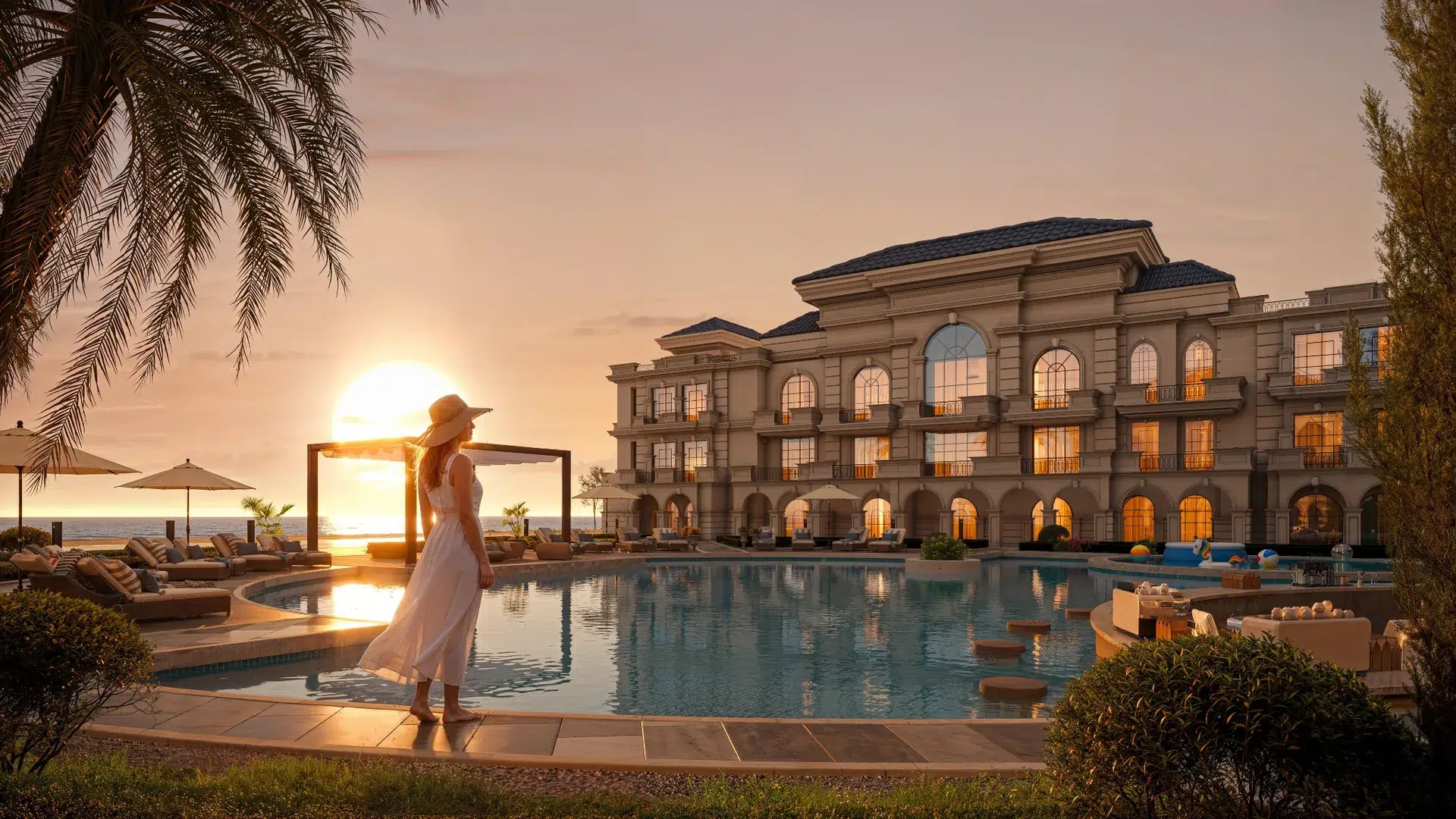
Tourism growth matters for property because travelers create demand for hotels, serviced apartments, short-term rentals, restaurants, transport, beach clubs, marinas, and resort communities. In the Red Sea, that demand can influence which locations perform best, which unit types rent more easily, and which projects hold long-term buyer appeal.
Why the Red Sea tourism story is important in 2026
Government figures reported by Ahram Online show Egypt received 6.1 million tourists in the first four months of 2026, a 7% increase from 5.7 million in the same period of 2025. The same report says tourist arrivals rose 20.5% in 2025 and that Egypt is targeting 30 million tourists annually by 2030.
Reuters also reported a new Red Sea marina, hotel, and housing development near Ain Sokhna, with construction planned from the second half of 2026. For property buyers, these signals point to continued investment in coastal tourism infrastructure.
How tourism growth affects Red Sea property
Tourism does not lift every property equally. The biggest winners are usually assets with clear guest appeal: beach access, pools, strong photos, airport access, walkability, management quality, and reliable maintenance.
A tourism boom can support demand, but it can also increase competition if many similar units enter the market. This is why buyers should focus on differentiation, not only location.
| Tourism driver | Property effect | Buyer action |
|---|---|---|
| More holiday arrivals | Higher guest demand | Choose rental-friendly areas. |
| More flights and visibility | Better destination awareness | Target airport-accessible zones. |
| New resort investment | Stronger coastal branding | Compare developer quality. |
| More competition | Pressure on generic units | Buy units with strong features. |
| Longer stays | Demand for comfort | Prioritize Wi-Fi, AC, kitchens. |
Hurghada: the practical tourism-property engine
Hurghada benefits from airport access, hotels, beaches, diving, marinas, restaurants, and a large base of short-stay and long-stay visitors. This makes it a practical property market for investors who want a mix of lifestyle use and rental potential.
The strongest units are usually those that combine guest convenience with clear photos: pool, beach access, walkability, supermarket access, and easy check-in.

Tourism-linked rental demand is strongest when a unit is easy to understand, easy to reach, and easy to manage.
Sahl Hasheesh, El Gouna, Makadi, and Soma Bay: destination brands
Premium and resort-led destinations benefit when tourism growth expands beyond basic hotel stays. Sahl Hasheesh offers resort calm and premium communities. El Gouna offers an established marina and lagoon lifestyle. Makadi appeals to families and resort holidaymakers. Soma Bay targets higher-budget coastal lifestyle, water sports, and villas.
Each destination has a different property use case. Buyers should choose based on guest profile, budget, and whether they want short-stay rental, family use, retirement, or premium resale.
| Destination | Tourism appeal | Property strategy |
|---|---|---|
| Sahl Hasheesh | Premium resort calm | Sea-view apartments and lifestyle homes. |
| El Gouna | Marina and lagoon town | Premium community and resale appeal. |
| Makadi | Family resorts | Larger homes and holiday stays. |
| Soma Bay | Luxury coast | Premium villas and high-budget buyers. |
Tourism growth creates opportunity, but property performance still depends on unit quality, location, service charges, furnishing, and management.
Hurghadians Property insight
Which properties benefit most from tourism growth?
The best tourism-linked properties are easy for guests to book, use, enjoy, and review. A lower-priced unit can underperform if the photos are weak, the building is poorly managed, or the location is inconvenient.
- Studios and one-bedroom apartments in guest-friendly locations.
- Beachfront and beach-access apartments with professional photos.
- Family-friendly resort apartments with pools and aqua zones.
- Premium sea-view units in Sahl Hasheesh or El Gouna-style communities.
- Villas and townhouses for groups and longer stays.
- Ready-to-move or rental-ready units with strong operations.
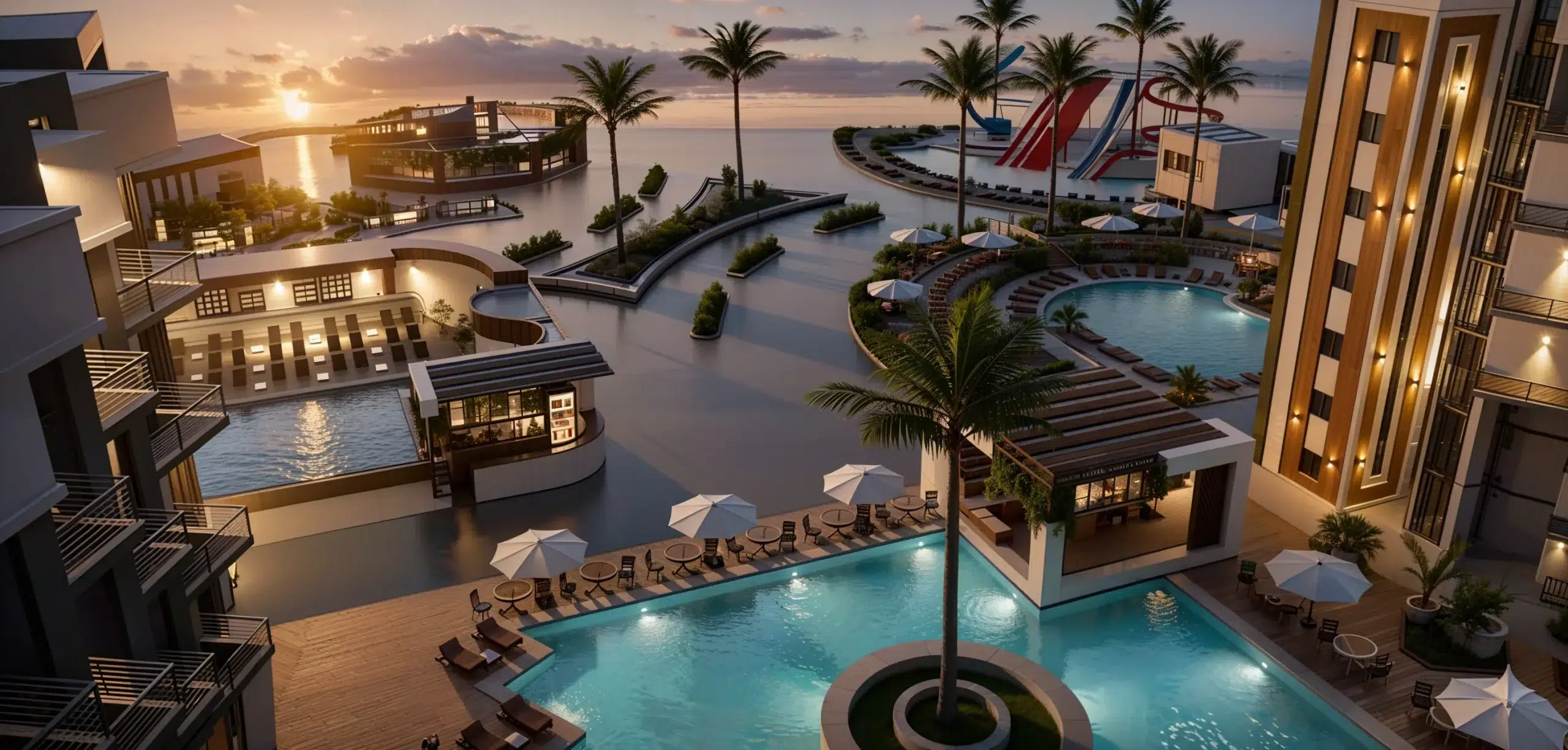
Resort facilities, beach access, and family amenities can improve guest appeal.
What can go wrong if buyers chase the boom blindly?
Tourism growth does not guarantee profit. Some buyers overpay for a view, underestimate service charges, ignore furnishing quality, or buy in projects where short-term rentals are restricted. Others compare gross rent instead of net profit.
Tourism-boom property checklist
Use this checklist before buying a Red Sea property because of tourism growth.
- Confirm whether the building allows short-term rentals.
- Calculate net ROI after service charges, utilities, cleaning, vacancy, and management.
- Check distance to beach, airport, marina, supermarkets, and restaurants.
- Ask for real photos, video tour, and current availability.
- Prioritize units with clear guest appeal: view, balcony, pool, beach access, Wi-Fi, and AC.
- Compare expected rental use with your personal use calendar.
- Do not reserve before reviewing the payment plan, legal status, and service charges.
Important: This guide explains market logic and buyer strategy. It is not financial, legal, tax, or rental-income advice. Confirm current rules, market rates, and project details before buying.
Sources used for this guide
These sources support market context, project examples, and buyer guidance. Always request current availability, price lists, payment plans, delivery dates, service charges, and legal documents before reserving.
- Hurghadians Property homepage
Website style, contact details, destination positioning, buyer journey - Hurghadians Projects page
Project catalogue, price range, destinations, payment-plan comparisons - Ahram Online tourism update
2026 tourism growth and 2030 tourism target - Reuters Red Sea development
Red Sea development pipeline and tourist-arrival target